Septic Permits in Mohave County: Steps, Setbacks and Costs
By Johnny Lands · Updated
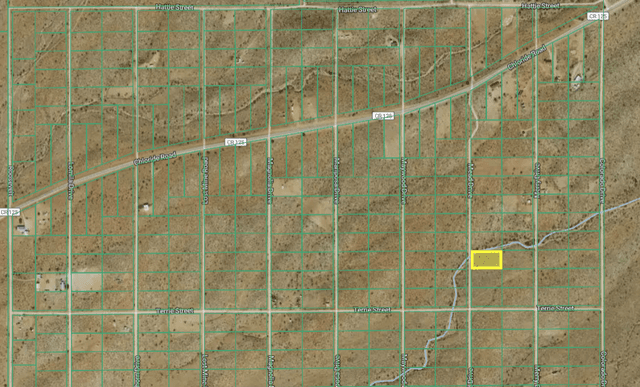
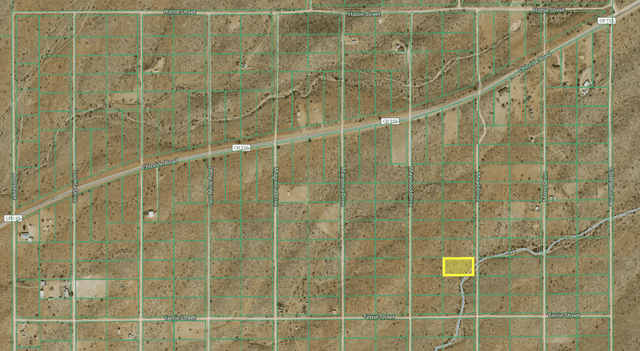
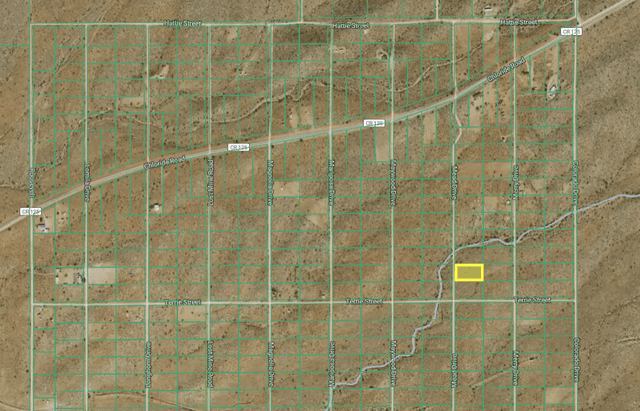
In Mohave County, a septic permit starts with a soil test, not a shovel. A county-approved site evaluator checks your soil and, where needed, runs a percolation (perc) test. You submit that report with your application to Mohave County Development Services, which issues a Construction Authorization. Then the system is installed, the tank passes a watertightness test, and a final inspection earns you a Discharge Authorization, the green light to actually use it. If your future home, tiny house or manufactured home has any plumbing, you need one. On our listings now: Septic needs a Mohave County Environmental Health permit; confirm placement rules outside the Zone A portion; Septic with a Mohave County Environmental Health permit, placed outside the Zone A corner.
Who handles septic permits in Mohave County
Septic systems are regulated by the Arizona Department of Environmental Quality (ADEQ), which delegates the work in unincorporated Mohave County to the county's Development Services Department. They review applications, monitor site investigations, inspect new systems and track septic transfers when property changes hands. You can reach the environmental permitting staff at EQpermits@mohave.gov or (928) 757-0903.
One more thing to know early: the county says an approved septic system is required for all manufactured home and building projects with plumbing. So septic isn't a side quest. It sits right in the middle of your building plans.
The process, step by step
- Get a Sewer Availability Information Sheet from the sewer provider for your location. On rural land the answer is almost always that no sewer is available, but the county wants this before the site investigation.
- Hire an approved site evaluator. Mohave County keeps a list. Evaluators must be an Arizona-registered engineer, geologist or sanitarian, or have a related degree plus ADEQ-recognized training. You cannot do this test yourself, even as an owner-builder.
- Get your Site Investigation Report. The evaluator digs test holes, classifies the soil and runs perc tests where required, then fills out the ADEQ site investigation form with geotagged photos.
- Assemble the application. It includes the permit worksheet, a Notice of Intent to Discharge, a fixture count (how many toilets, sinks and showers), the system design, a site plan, a Property Floodplain Information sheet and the Site Investigation Report. The application can't be turned in without that report.
- Receive the Construction Authorization. Nothing goes in the ground before this.
- Install the system yourself (conventional systems only) or with a licensed contractor.
- Request Discharge Authorization. Submit the as-built site plan if anything changed and proof the tank passed its watertightness test.
- Pass the final inspection. The county issues the Discharge Authorization and the system is legal to use.
Apply for your building permit and your septic permit at the same time. The county recommends it, because it is the best way to make sure the house, the tank and the leach field all fit the setbacks on your lot.
Conventional or alternative system?
A conventional system is the classic setup: a tank where solids settle, and a leach field (disposal area) where the liquid soaks into the soil. It is the simplest and usually the least expensive option, and Mohave County lets owner-builders permit and install one on their own residential property using the county's owner-builder packet.
An alternative system is used when the site investigation finds a limiting condition. The county names three common ones: a high water table, a high percentage of rock, or soils that drain too fast. Alternative systems add treatment steps or different disposal designs and need more engineering, so they cost more and take longer.
The county also permits other system types for special cases, including composting toilets and vault-and-haul systems. They still need a permit.
What a septic permit costs
Think of the cost in three buckets, because they come from three different people:
| Cost | Who you pay | What drives it |
|---|---|---|
| Site investigation (soil and perc tests) | The site evaluator | Travel to the parcel, number of test holes, soil conditions |
| Permit and inspections | Mohave County Development Services | The system type. The county publishes a flat fee for a residential conventional system that covers plan review and two inspections. |
| The system itself | Your installer, or you as owner-builder | Tank size, leach field size, excavation, rock, and if the soil calls for an alternative system |
The county's fee schedule is posted on its Septic & Well Permitting page, and extra inspections cost more, so getting it right the first time saves money. For the system itself, get two installer quotes after your site investigation, since the soil report changes the design and the price.
Setbacks that shape your whole site plan
- 100 feet between septic and any well, yours or your neighbor's.
- 50 feet from the septic system to your property line in areas without public water, unless neighboring owners sign a notarized agreement that is recorded with the deed.
- A 50-foot buffer between a well and the property line is highly recommended.
- At least one acre is what the county points to under current subdivision rules if you want room for both a well and a septic system.
- Not in a regulatory floodway. Septic systems can't go wholly or partly in a floodway, which is one reason the application asks for floodplain information.
Those distances add up fast on a one-acre lot. Sketch the house, driveway, tank, leach field and a future well spot before you commit to a building site.
Flood zone notes on our current listings:
- Mostly in FEMA Zone A (1% annual chance flood hazard, desert wash)
- Partial: FEMA Zone A along the east and southeast side (mapped wash); the west half is outside
- Partial: FEMA Zone A on the northwest corner; most of the lot is outside the Special Flood Hazard Area
Timing it with your land purchase
You don't need a septic permit to buy land, and you don't need one to camp. You need one before you build anything with plumbing. If you buy with owner financing, remember: Whether you can camp or use the land for recreation while you pay depends on your land contract and local zoning — we confirm this with you before you sign. Permanent structures wait until payoff and deed recording.
That makes the payment years a good time to do homework: talk to an evaluator about soils in the area, pick your homesite and budget the system. When you are ready to build, read our guides on putting a tiny house on your land and getting electricity to vacant land, since all three permits work together.
Browse land for sale in Mohave County or ask us what we know about septic on a specific parcel.
Common questions
FAQ
How do I get a septic permit in Mohave County?
Hire a county-approved site evaluator for a soil evaluation and perc test, then submit the Site Investigation Report with your application to Mohave County Development Services. After the Construction Authorization is issued, install the system, pass the watertightness test and final inspection, and the county issues a Discharge Authorization.
How much is a septic permit in Mohave County?
The county charges a flat fee for a residential conventional system that covers plan review and two inspections, and posts its current fees on the Septic & Well Permitting page. The site evaluator and the installation itself are separate costs.
Can I install my own septic system in Mohave County?
Yes, for a conventional system on your own residential property, using the county's owner-builder packet. The soil and perc testing must still be done by an approved third-party site evaluator, not the owner.
Do I need a septic system to live in an RV on my land?
An RV occupied on rural land for more than 14 days in a row or 30 days a year needs a permit and must be connected to an approved wastewater system. Shorter stays can use a dump station.
How far does a septic system have to be from a well?
At least 100 feet, including from your neighbor's well. In areas without public water, the septic system also needs a 50-foot buffer to the property line unless a recorded agreement says otherwise.