Growing a Vegetable Garden on Desert Land Near Kingman and Golden Valley
By Johnny Lands · Updated
You can grow a real vegetable garden on desert land around Kingman, Golden Valley and Chloride, but you garden by the calendar and by your elevation, not by the seed packet. Cool-season crops like lettuce, peas and onions do best from late summer through early spring, and warm-season crops go in after the last frost, which averages around April 2 in Kingman. Expect alkaline, low-organic soil, possible caliche, hungry rabbits and wind, and plan your water before you plant a single seed.
Elevation changes everything
The Kingman area runs from about 2,000 to 4,500 feet, and the local Master Gardeners publish separate planting dates for each band. Golden Valley sits around 2,800 feet, in the lower band. Kingman is around 3,300 feet and Chloride about 4,000, both in the upper band, where spring comes later and frost hangs on longer.
| Crop | 2,000 to 3,000 ft (Golden Valley) | 3,000 to 4,500 ft (Kingman, Chloride) |
|---|---|---|
| Tomato transplants | Mar 15 to Apr 15 | May 1 to Jun 15 |
| Pepper transplants | Apr 1 to Jun 1 | May 10 to Jun 1 |
| Summer squash | Mar 15 to Jul 15 | May 10 to Jul 15 |
| Peas (spring) | Feb 1 to Mar 15 | Feb 1 to Mar 15 |
| Leaf lettuce | Aug 20 to Apr 1 | Mar 1 to Apr 15, and Jul 15 to Sep 1 |
| Garlic cloves | Sep 1 to Jan 1 | Feb 15 to Apr 10 |
Source: Tips for Successful Gardening in Mohave County, Kingman Area Master Gardeners and University of Arizona Cooperative Extension. Their full chart covers dozens of crops and is worth printing.
Frost dates and the heat ceiling
Based on NOAA climate normals for the Kingman airport station, the average last spring frost is around April 2, but one year in ten it comes after April 21. The average first fall frost is around November 11. Don't trust a warm March.
Summer has its own limit. Tomatoes stop setting fruit when temperatures go above about 95 degrees, which is why lower-elevation gardeners plant early and often get a second, smaller crop in fall. Cool-season crops can also go in late summer so they mature as the weather cools.
Desert soil: alkaline, salty and sometimes rock-hard
Mohave County soils are typically alkaline (pH around 7.5 to 8.5), somewhat salty, low in nitrogen and phosphorus, and very low in organic matter. Many parcels also have caliche, a cement-like layer of calcium carbonate that roots and water can't get through.
- Dig a test hole first. If you hit a white, rock-hard layer, that's caliche. Small amounts can be broken out with a digging bar. Thick layers make raised beds the easier answer.
- Add organic matter. Two to three inches of compost or well-rotted manure, worked in a month or two before planting, is the standard local advice.
- Feed nitrogen and phosphorus. Those are what desert soils lack. Soil sulfur can help with pH and salts over time.
- Raised beds and containers let you skip the native soil entirely. They dry out faster, so pair them with drip irrigation and mulch.
Water: the real limit on a rural lot
On land without a well, every gallon for the garden comes from your tank. Drip irrigation on a timer, thick mulch and watering early in the morning stretch it a long way. A modest kitchen garden is very doable on hauled water. A big corn patch probably isn't.
Rainwater from a roof or shade structure is a good bonus for the garden, even if it won't run a house. Our guide to getting water on raw land without a well covers tanks, hauling and how much a household really uses.
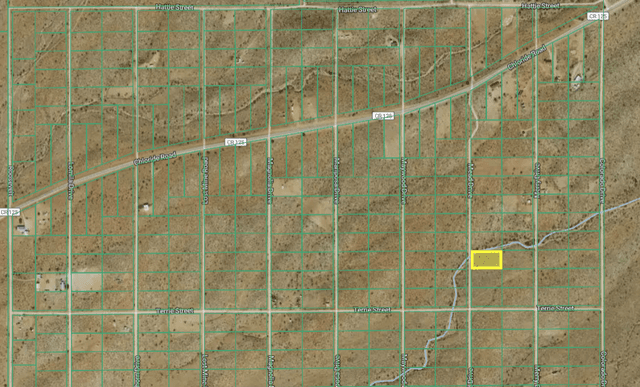
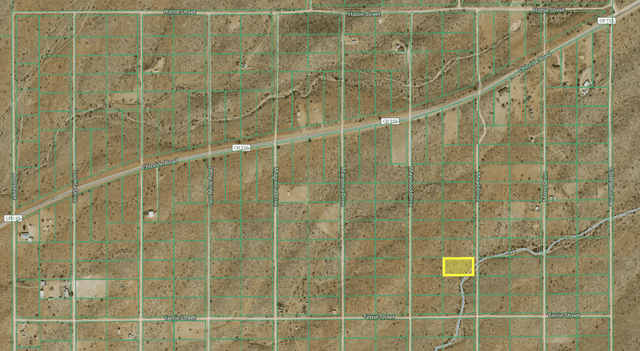
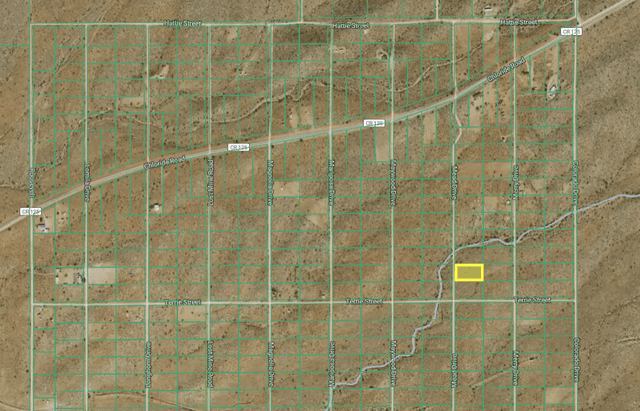
Water options on the parcels we have listed now:
- No public water line at the lot; hauled water if needed
- No public water line at the lot; typical options are hauled water with a storage tank, rain catchment or a private well
- Water comes by private well or hauled cistern
Wind, sun and critters
- Shade cloth over summer crops cuts the afternoon sun. Most vegetables still need at least six hours of direct sun, so use it for the hottest part of the day.
- Windbreaks. Spring wind dries seedlings and snaps stems. A fence, a row of hay bales or the side of a container on the windward side helps.
- Rabbits and ground squirrels will find your lettuce the first night. Use hardware cloth or chicken wire, buried several inches below the surface.
- Cattle and other livestock. On open range, it's your job to fence them out. See Arizona's open range rules.
- Birds love ripe tomatoes and seedlings. Netting works.
Gardens, chickens and A-R zoning
A-R zoning, common on rural Mohave County parcels, allows vegetable gardens, fruit trees, orchards and private greenhouses, and you can sell produce grown on the property there if you live on it. Chickens are a natural partner for a garden: they eat scraps and give back eggs and fertilizer. Our guide to keeping chickens, horses and goats covers the rules.
Whether you can camp or use the land for recreation while you pay depends on your land contract and local zoning — we confirm this with you before you sign. Permanent structures wait until payoff and deed recording.
Want help from people who garden here? The Mohave County Master Gardener program through the University of Arizona Cooperative Extension answers local questions. And if you're still looking for the land, browse land for sale in Mohave County (from $99–$260 a month right now) or ask us.
Common questions
FAQ
When is the last frost in Kingman, AZ?
Around April 2 on average, based on NOAA climate normals for the Kingman airport. In one year out of ten it comes after April 21, so protect early transplants.
What vegetables grow well in Kingman and Golden Valley?
Cool-season crops like lettuce, peas, onions, garlic, carrots and broccoli do well from late summer to early spring. Tomatoes, peppers, squash, beans and melons grow in the warm season after the last frost.
What is caliche and how do I garden with it?
Caliche is a hard, cement-like soil layer common in Arizona. Break up thin layers with a digging bar, or garden in raised beds and containers filled with good soil.
Can I grow a garden on hauled water?
Yes, a modest kitchen garden. Use drip irrigation on a timer, thick mulch, and water early in the morning to stretch every gallon.